
Inverter AC: Good or Bad? A Complete 500-Word Review
As temperatures continue to rise every year, air conditioners have become a basic necessity rather than a luxury. Among the different types available in the market, inverter air conditioners have gained a lot of attention. Many people consider them energy-efficient and modern, while others worry about their cost and maintenance. So, is an inverter AC good or bad? Let’s explore both sides to understand it better.
What Is an Inverter AC?
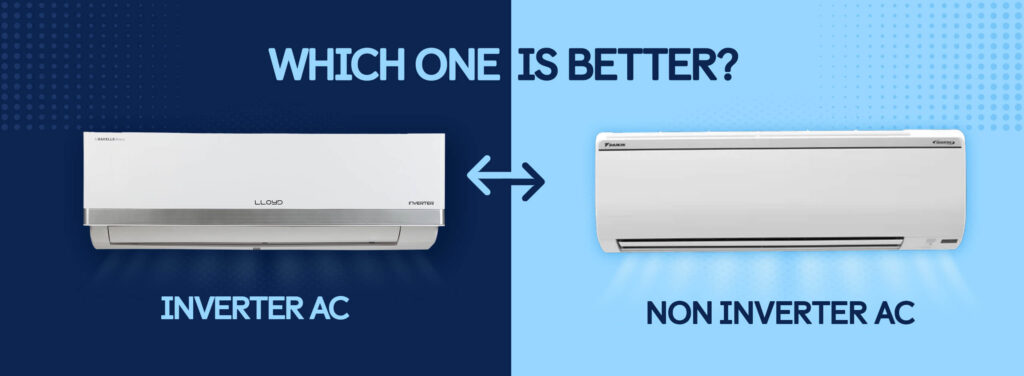
An inverter AC uses advanced technology that allows the compressor to run at variable speeds. Unlike traditional non-inverter ACs, which switch the compressor on and off repeatedly, inverter ACs adjust their speed according to the room’s cooling requirement. This difference plays a major role in how they perform.
Good Things About Inverter AC
One of the biggest advantages of inverter ACs is energy efficiency. Since the compressor does not constantly turn on and off, it consumes less electricity over time. This can result in noticeably lower electricity bills, especially if the AC is used for long hours every day.
Another major benefit is better and faster cooling. Inverter ACs reach the desired temperature quickly and then maintain it smoothly. This means there are no sudden temperature fluctuations, making the room more comfortable.
Low noise levels are another positive point. Because the compressor runs steadily, inverter ACs operate quietly. This makes them ideal for bedrooms, study areas, or offices where silence is important.
Inverter ACs are also considered more durable in the long run. The smooth functioning of the compressor reduces wear and tear, which can increase the lifespan of the appliance if it is properly maintained.
Bad Things About Inverter AC
Despite the advantages, inverter ACs also have some drawbacks. The most common concern is the high initial cost. Inverter ACs are more expensive than non-inverter models, which can be a problem for buyers with a limited budget.
Another downside is expensive maintenance and repairs. Inverter ACs use advanced electronic components, and if something goes wrong, repairs can be costly. Not all technicians are trained to fix inverter technology, which may increase service charges.
Inverter ACs can also be sensitive to voltage fluctuations. In areas where power supply is unstable, a stabilizer is often required to protect the AC, adding to the overall cost.
Final Conclusion
So, are inverter ACs good or bad? The answer depends on your needs. If you use an AC regularly, want lower electricity bills, and prefer quiet and comfortable cooling, an inverter AC is a smart investment. However, if your usage is limited or your budget is tight, a non-inverter AC may be more suitable.
In conclusion, inverter ACs are not bad at all—they are efficient and modern—but they are best suited for users who plan to use them frequently and are ready to invest for long-term benefits.